
Canine Arthritis: Signs, Management, and When to See a Vet
Limping, stiffness, or trouble getting up can signal arthritis in dogs. Learn the early signs, how vets stage it, and the treatments that actually help.


On this page
If your dog has started hesitating before jumping onto the couch, seems stiff after naps, or is slower to get going on walks, arthritis could be the reason. Osteoarthritis is extremely common in dogs, not just seniors, and while it can’t be cured, it can be managed effectively enough that most dogs continue to enjoy an active, comfortable life.
Key Takeaways
- Arthritis isn’t limited to senior dogs; large breeds, overweight dogs, and dogs with a history of joint injury can develop it earlier in life.
- Early signs are often subtle: stiffness after rest, reluctance to jump, or a slight limp that comes and goes.
- Veterinarians use a staging system (0 to 4) to assess severity and guide treatment decisions.
- Management typically combines weight control, exercise modification, medication, and sometimes supplements or physical therapy, not a single fix.
What Is Canine Arthritis?
Osteoarthritis is a degenerative joint condition in which the cartilage that cushions joints gradually wears down, leading to inflammation, pain, and reduced mobility. According to Cornell University’s College of Veterinary Medicine, it’s one of the most common causes of chronic pain in dogs, and according to the American Veterinary Medical Association, veterinarians increasingly emphasize catching it early rather than waiting until a dog is visibly limping.

Common Signs of Arthritis in Dogs
Dogs don’t all show the same signs, and symptoms can come and go, which is part of why arthritis is so often missed in its early stages. According to VCA Animal Hospitals, watch for:
- Stiffness or difficulty getting up after resting or sleeping
- Reluctance to jump onto furniture, into the car, or up stairs
- Limping or favoring one leg, especially after activity
- Decreased interest in walks, play, or activities your dog previously enjoyed
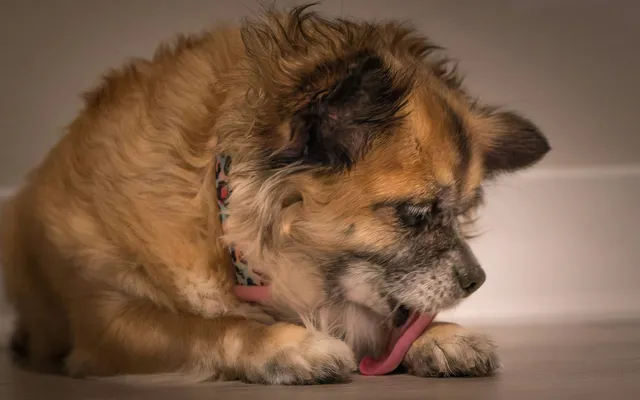
- Licking or chewing at a specific joint
- Muscle loss around the hips or legs from reduced use
- Behavioral changes, such as increased irritability, which can be a response to chronic pain
What Causes Arthritis in Dogs?
- Age-related wear and tear on joints over time — and dogs cross into ‘senior’ at very different ages depending on size, which our dog age calculator accounts for
- Large or giant breed size, which places more mechanical stress on joints
- Obesity, which significantly increases joint stress and is one of the most modifiable risk factors
- Previous joint injury or surgery, including cruciate ligament tears
- Developmental conditions like hip or elbow dysplasia, common in certain breeds
- Repetitive high-impact activity, particularly in working or highly athletic dogs
How Veterinarians Diagnose and Stage Arthritis
Diagnosis typically involves a physical exam, observing gait, and often X-rays to assess joint changes. Some veterinarians use the Canine Osteoarthritis Staging Tool, which assigns a numerical stage from 0 (clinically normal) to 4 (severe osteoarthritis), helping guide treatment intensity and track progression over time.
How Arthritis Is Managed
Since osteoarthritis cannot be cured, the goal of treatment is effective long-term management combining several approaches at once, rather than relying on a single treatment.
Weight Management
Maintaining a healthy weight is one of the most impactful things an owner can do, since excess weight directly increases the mechanical load on already-compromised joints.
Exercise Modification
Rather than stopping exercise altogether, vets typically recommend adjusting it: shorter, more frequent walks on flat, non-slip surfaces instead of high-impact activities like jumping or intense running. Senior and arthritic dogs also tolerate heat poorly, so in summer plan those walks for the cooler ends of the day — see our guide on keeping your dog cool in hot weather.

Medications
Veterinarians commonly prescribe nonsteroidal anti-inflammatory drugs (NSAIDs) such as meloxicam, carprofen, deracoxib, grapiprant, robenacoxib, or firocoxib to manage pain and inflammation. These require veterinary prescription and monitoring, and should never be substituted with human NSAIDs, which can be toxic to dogs.
Joint Supplements
Supplements containing glucosamine and chondroitin are commonly used to support cartilage health, though owners should discuss appropriate products and dosing with their veterinarian rather than choosing based on marketing alone.
Additional Therapies
- Physical rehabilitation, including hydrotherapy, to maintain muscle strength and mobility
- Acupuncture, massage, or cold laser therapy, used by some veterinary practices as complementary pain management options
- Assistive devices, such as ramps, orthopedic beds, and traction-assisting rugs on slippery floors, to make daily life more comfortable
Surgery
In some cases, particularly involving specific joint conditions like severe hip dysplasia or cruciate ligament tears, surgery may be recommended to address the underlying structural issue.
Making Home Life Easier for a Dog With Arthritis
- Use ramps or steps to help your dog avoid jumping onto furniture or into vehicles
- Add non-slip rugs or mats on hardwood or tile floors
- Provide an orthopedic or supportive bed to reduce pressure on joints during rest
- Keep nails trimmed, since overly long nails can further affect gait and joint stress
- Maintain a consistent, moderate exercise routine rather than alternating between inactivity and bursts of high activity
When to See a Vet
Any new stiffness, limping, or reluctance to move that lasts more than a day or two, or that recurs consistently, is worth a veterinary visit rather than waiting to see if it resolves on its own. Early diagnosis and management tend to slow the progression of discomfort and preserve mobility and quality of life for longer.
Frequently Asked Questions
At what age do dogs typically develop arthritis? While arthritis is more common in senior dogs, large and giant breeds, overweight dogs, and dogs with joint injuries or developmental conditions like hip dysplasia can develop it much earlier, sometimes even in early adulthood.
Can arthritis in dogs be cured? No, osteoarthritis is a progressive, degenerative condition that cannot be cured, but it can be effectively managed with a combination of weight control, exercise adjustments, medication, and supportive care to maintain a good quality of life.
Is it safe to give my dog human arthritis medication? No. Human NSAIDs like ibuprofen and naproxen are toxic to dogs and can cause serious harm, including gastrointestinal ulcers and kidney damage. Always use medications specifically prescribed by your veterinarian for your dog.
Does keeping my dog at a healthy weight really make a difference? Yes, significantly. Excess weight directly increases mechanical stress on already-affected joints, and weight management is consistently cited by veterinary sources as one of the most effective, modifiable factors in managing canine arthritis.
What to remember
Canine arthritis is common, progressive, and not something dogs simply have to “push through.” With early recognition of subtle signs like stiffness or reluctance to jump, and a management plan built around weight control, appropriate exercise, medication, and supportive home adjustments, most dogs with arthritis can continue to live comfortable, active lives.
This article is for informational purposes only and is not a substitute for professional veterinary advice. If you notice signs of stiffness, limping, or reduced mobility in your dog, contact your veterinarian.
Sources
Related articles

Kennel Cough in Dogs: Signs, Treatment and Recovery
That harsh, honking cough after daycare or boarding is usually kennel cough. Here's how to tell it apart from something worse, and when it stops being mild.

My Dog Gulps Water After a Walk in the Heat: Normal or Dangerous?
Your dog races to the bowl after every summer walk — but gulping water too fast can trigger vomiting or bloat. Here's how to let them rehydrate safely.
Why Does My Dog Keep Licking Their Paws and Belly in Summer?
Dog licking their paws and belly nonstop this summer? Here's every likely cause, from grass allergies to fleas, and how to tell when it's time for a vet.