
Why Does My Dog Keep Licking Their Paws and Belly in Summer?
Dog licking their paws and belly nonstop this summer? Here's every likely cause, from grass allergies to fleas, and how to tell when it's time for a vet.

On this page
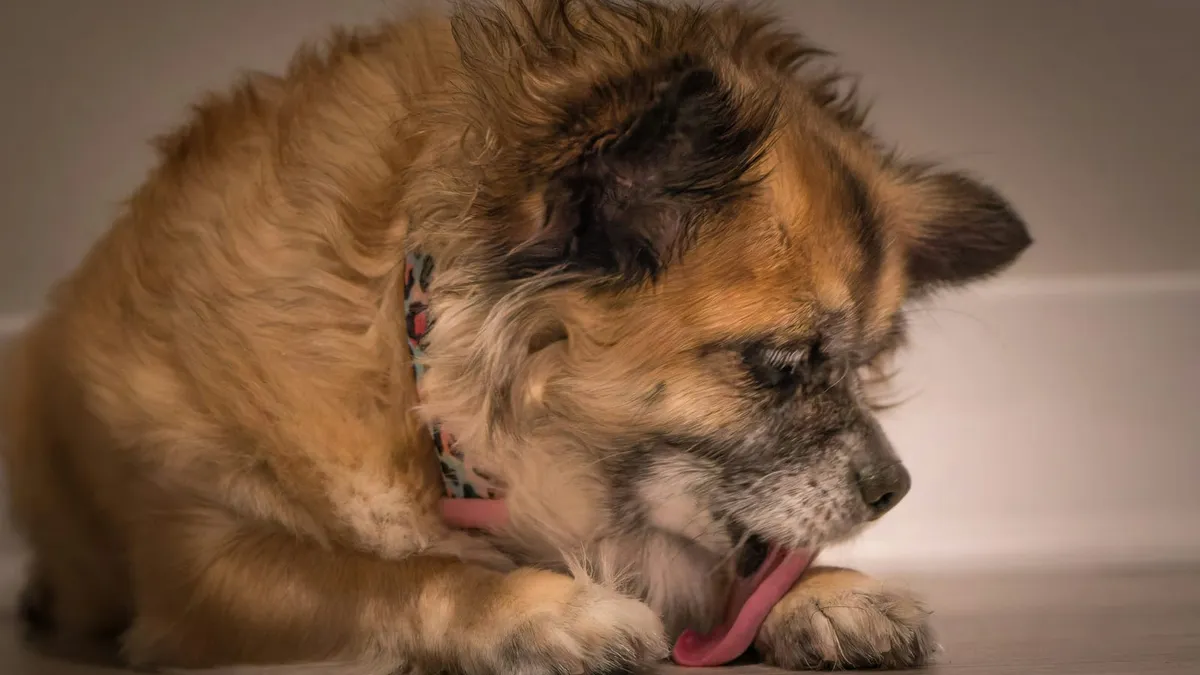
You’ve probably noticed it happening more since the weather turned warm: your dog flops down, starts working on a paw, moves to the belly, then back to the paw again. A little grooming is normal. A dog who won’t stop, who’s licking the same spot raw, or who’s suddenly doing this every single evening — that’s not normal, and summer is exactly when it tends to start.
The good news is that the list of causes is well understood, and most of them are manageable once you know what you’re looking at.
Key Takeaways
- Summer paw and belly licking is usually caused by environmental allergies (grass and weed pollen), flea bites, or contact irritation picked up from the ground your dog walks on.
- Dogs absorb allergens through their skin, not just by breathing them in — which is why paws, belly, and armpits (the parts touching the grass) are the first places affected.
- Occasional licking after a walk is normal grooming. Constant licking, redness, hair loss, or a smell coming from the area is not.
- Hot spots can form within hours once a dog starts licking one area repeatedly, so catching this early matters.
- If licking doesn’t ease up in a few days, or the skin looks broken or infected, see a vet rather than waiting it out.
Why Summer Specifically Triggers This
Dogs pick up allergens differently than people do. You mostly breathe pollen in; your dog collects it on their skin and fur, especially on the parts of their body that make the most contact with the ground — paws, belly, groin, and armpits. Every walk through grass, every roll in the yard, every stretch out on the lawn is another chance for pollen, mold spores, and other outdoor allergens to cling to the fur and skin in those areas.
That’s the mechanical reason summer licking is so paw- and belly-focused. It’s not that your dog’s skin is more sensitive there; it’s that those are the parts of the body doing the most work touching grass, dirt, and pavement. Heat plays a role too — dogs pant more and spend more time lying on cool ground in summer, which means more skin contact time with whatever allergens are sitting in the grass. If you’re also noticing heavier panting on hot days, our guide on keeping your dog cool and safe in the heat covers that side of summer risk in full.
The Most Likely Causes
Environmental (Seasonal) Allergies
This is the single most common explanation for a sudden increase in paw and belly licking once the weather warms up. Grass and weed pollens are among the most widespread seasonal allergens, and in a dog whose immune system overreacts to them — a condition vets call canine atopic dermatitis — that contact triggers itching, redness, and the urge to lick or chew the affected area for relief.
Atopic dermatitis tends to show a pattern: it gets noticeably worse during pollen season, often eases in cooler months, and frequently comes back year after year around the same time. If your dog went through something similar last summer, that’s a strong hint this year’s licking has the same cause. Allergies like this often show up alongside other symptoms too — if your dog is also dealing with itchy or smelly ears, it’s worth reading our breakdown of dog ear infections and their causes, since the two frequently go hand in hand. For the full picture of how allergies present in dogs beyond just the paws, see our guide to dog allergies: signs, triggers, and treatment.
Flea Allergy Dermatitis
Fleas are more active in warm weather, and for a dog who’s allergic to flea saliva, it doesn’t take an infestation to trigger a reaction — a single bite is enough to set off days of intense itching. Flea allergy dermatitis is one of the leading causes of itching in the warmer months, and it commonly shows up around the base of the tail, the belly, and the inner thighs, alongside paw chewing.
Even dogs on flea prevention can occasionally get bitten before the product kills the flea, so don’t rule this out just because you haven’t spotted fleas yourself. Check the belly and the base of the tail for small dark specks (“flea dirt”) that turn reddish-brown when wet — that’s digested blood, and it’s a reliable sign fleas have been present even if you never see one alive.
Contact Irritation
Freshly cut grass, certain weeds, lawn treatments, and even hot pavement or sand can irritate the skin directly, without any allergic reaction involved. Dogs with short or thin coats on their belly and legs are especially exposed, since there’s less fur to buffer contact with the ground.
Fungal or Bacterial Skin Infections
Warm, humid weather is exactly the environment yeast and bacteria thrive in, and the damp skin between a dog’s toes is a common spot for these secondary infections to take hold — often after licking has already broken down the skin’s natural barrier. This tends to cause a musty or “corn chip” smell, brownish discoloration of the fur, and licking that seems to intensify rather than improve.
Hot Spots From Self-Trauma
Once a dog starts licking one area because it itches, the licking itself can create a moist, inflamed patch called a hot spot (acute moist dermatitis). Hot spots can develop shockingly fast — sometimes within hours — and they tend to spread if left alone, because the licking that caused them also keeps them wet and irritated.
Anxiety or Boredom
Licking isn’t always about the skin. Some dogs lick their paws as a self-soothing behavior when they’re anxious, bored, or under-stimulated, and summer changes in routine (more time alone, disrupted walk schedules due to heat) can bring this out. This type of licking tends to happen in specific situations — after you leave, during storms, at bedtime — rather than being tied to a particular part of the body.
Normal Grooming vs. a Problem: How to Tell the Difference
| Sign | Likely normal | Likely a problem |
|---|---|---|
| Frequency | A few minutes after walks or meals | Repeated throughout the day, or waking up to lick |
| Focus | Rotates between paws, moves on | Fixated on one paw or one spot on the belly |
| Skin appearance | Normal color, no swelling | Red, raw, moist, or missing fur |
| Smell | None | Musty, yeasty, or foul odor |
| Behavior | Relaxed | Frantic, can’t be distracted, or flinches when touched |
| Duration | Stops on its own | Ongoing for more than 2–3 days |
If most of your checks land in the right-hand column, it’s worth a vet visit rather than waiting to see if it resolves.
What You Can Do at Home
- Rinse paws and belly after outdoor time. A quick rinse with plain water after walks in grassy areas removes pollen and allergens before they have time to irritate the skin.
- Check for fleas thoroughly. Part the fur at the base of the tail and along the belly, and look for both live fleas and flea dirt.
- Keep up with flea prevention year-round, not just in the months you think of as “flea season,” since a single missed month is often when allergic dogs get bitten.
- Avoid recently treated lawns when possible, both your own and public spaces, since chemical residue is a common contact irritant.
- Don’t let licking go unaddressed while you wait to see a vet — an e-collar or a breathable sock over the affected paw can prevent a mild irritation from becoming a hot spot in the meantime.
- Keep the coat around the paws and belly trimmed in summer, which reduces how much pollen and moisture gets trapped against the skin.
When to See a Vet
Book a visit if you notice any of the following:
- Licking that hasn’t improved after 2–3 days of home care
- Redness, swelling, hair loss, or an open sore
- A noticeable odor coming from the skin
- Limping or reluctance to walk on the paw
- Licking severe enough to interrupt sleep or normal activity
A vet can determine whether you’re dealing with allergies, fleas, a fungal infection, or something else, and — importantly — prescribe treatment that actually matches the cause. Anti-itch products can offer short-term relief, but they don’t resolve an underlying flea allergy or a brewing skin infection, and using them as a long-term substitute for a proper diagnosis tends to let the real problem get worse.
Frequently Asked Questions
Why does my dog only lick their paws in summer and not the rest of the year? This pattern points strongly toward a seasonal allergy. Pollen levels rise sharply in warmer months, and a dog with atopic dermatitis will typically flare up when their trigger allergens peak and settle down once the season passes.
Can I just give my dog Benadryl for the itching? Some antihistamines are used in dogs under veterinary guidance, but dosing varies and they don’t work well for every cause of itching — flea allergy and fungal infections, in particular, often need a different treatment entirely. Check with your vet before giving any human medication, and don’t rely on it as a substitute for figuring out the actual cause.
My dog is on flea prevention. Can it still be fleas? Yes. In a flea-allergic dog, a single bite before the preventive kills the flea is enough to trigger days of itching. This is one of the most commonly missed causes precisely because owners assume prevention means it can’t be fleas.
Is licking the paws after every walk something to worry about? Not on its own. A quick paw or belly lick after time outside is normal grooming. The concern is frequency and intensity — licking that’s constant, focused on one spot, or leaving the skin red or damp is what warrants a closer look.
What to Remember
Most summer paw and belly licking comes down to a short list of usual suspects: pollen allergies, fleas, contact irritation, or a skin infection that’s taken hold in the damp warmth. Occasional licking after time outdoors is nothing to worry about, but licking that’s constant, focused on one area, or changing the look and smell of the skin is your dog’s way of telling you something needs attention. When in doubt, a vet visit is faster and cheaper than months of guessing.
This article is for informational purposes only and is not a substitute for professional veterinary advice. If your dog’s licking doesn’t improve within a few days, or you notice broken or infected skin, contact your veterinarian.
Sources
Related articles
Dog Allergies: Signs, Common Triggers, and Treatment Options
Itchy skin and constant paw licking can signal allergies in dogs. Learn the common signs, triggers, and treatment options recommended by veterinarians.
My Dog Gulps Water After a Walk in the Heat: Normal or Dangerous?
Your dog races to the bowl after every summer walk — but gulping water too fast can trigger vomiting or bloat. Here's how to let them rehydrate safely.
How to Keep Your Dog Cool in Hot Weather: A Complete Guide
Heatstroke kills dogs every summer — and it's preventable. Learn the warning signs, the 7-second pavement test, and the safe way to cool an overheated dog fast.