
How to Help an Overweight Dog Lose Weight Safely
Extra weight puts real strain on your dog's health. Learn how to safely help an overweight dog lose weight with vet-guided diet and exercise changes.

On this page
Carrying extra weight isn’t just a cosmetic issue for dogs, it’s linked to a higher risk of joint problems, diabetes, heart and respiratory strain, and a shorter lifespan overall. The encouraging news is that with a structured, veterinarian-guided plan, most overweight dogs can lose weight safely and steadily, improving both their comfort and long-term health.
Key Takeaways
- Excess weight significantly increases a dog’s risk of joint problems, diabetes, and reduced life expectancy.
- Safe weight loss should be gradual, guided by your veterinarian, and based on your dog’s ideal body condition, not guesswork.
- A combination of portion control, a lower-calorie or weight-management diet, and appropriate exercise is the standard, effective approach.
- Rapid or severe calorie restriction can be dangerous and should always be avoided.
How to Tell If Your Dog Is Overweight
Beyond the number on a scale, veterinarians typically assess a Body Condition Score, checking whether you can easily feel (but not see) your dog’s ribs, whether they have a visible waist when viewed from above, and whether their abdomen tucks up when viewed from the side. If ribs are difficult to feel under a layer of fat, or your dog lacks a visible waist, it’s worth discussing weight with your veterinarian.
Why Extra Weight Is a Serious Health Issue
- Joint stress, significantly increasing the risk and severity of arthritis and other orthopedic issues
- Diabetes risk, since obesity is a major contributing factor to insulin resistance
- Heart and respiratory strain, making everyday activity more physically taxing
- Reduced life expectancy, with research consistently linking excess weight to shorter lifespans in dogs
- Reduced quality of life, including lower energy, reduced mobility, and less interest in play or exercise
Step 1: Get a Veterinary Checkup First
Before starting any weight loss plan, have your veterinarian confirm your dog’s ideal weight, rule out underlying medical causes of weight gain (such as hypothyroidism), and help calculate an appropriate daily calorie target based on your dog’s specific situation.
Step 2: Measure Food Precisely
Many owners underestimate portions significantly when eyeballing food rather than measuring it. Use an actual measuring cup or a kitchen scale to portion meals accurately according to your vet’s recommendations, rather than relying on the general feeding guidelines printed on a bag of food, which are often higher than what a specific overweight dog needs. Our dog food calculator gives a starting calorie figure to bring to that conversation with your vet, rather than a number off the bag.
Step 3: Consider a Weight-Management Diet
Prescription or veterinary-recommended weight-management formulas are specifically designed to provide fewer calories while maintaining adequate protein and nutrients, helping your dog feel satisfied without overloading on calories. These are typically more effective and nutritionally balanced than simply feeding a smaller portion of regular food.
Step 4: Cut Back on Treats and Table Scraps
Treats and extras can add up quickly and are a common overlooked source of excess calories. If you continue giving treats, choose lower-calorie options and factor them into your dog’s overall daily calorie allowance rather than treating them as “extra.”
Step 5: Increase Exercise Gradually
Regular physical activity supports weight loss and improves overall health, but should be increased gradually, especially for significantly overweight dogs or those with existing joint issues. Start with shorter, more frequent walks and build up duration and intensity over time as your dog’s fitness improves. In warm months, remember that extra weight also makes dogs far more vulnerable to overheating — our guide on keeping your dog cool in hot weather covers how to exercise safely when temperatures climb. Overweight dogs also tend to arrive back from a walk more overheated and more likely to gulp water too fast, so it’s worth reading how to let a dog rehydrate safely after a hot walk too.
Step 6: Weigh In Regularly
Regular weigh-ins, whether at home on a pet scale or during veterinary visits, help track progress and allow for adjustments to the plan if weight loss is too slow or too fast.
Step 7: Be Patient and Consistent
Safe weight loss in dogs is generally gradual. Rapid weight loss can be dangerous and is generally not recommended; instead, a slow, steady, and sustainable reduction is the safer and more effective long-term approach.
What to Avoid When Helping Your Dog Lose Weight
- Severely restricting calories without veterinary guidance, which can lead to nutrient deficiencies and other health issues
- Skipping meals entirely rather than adjusting portion sizes, which isn’t a healthy or sustainable approach
- Ignoring an underlying medical cause, such as a thyroid issue, which can make weight loss efforts ineffective if left unaddressed
- Sudden, intense exercise increases, which can risk injury, especially in dogs who have been inactive or who have existing joint issues
Signs Your Dog’s Weight Loss Plan Is Working
- Gradual, steady weight loss over weeks and months, rather than dramatic short-term drops
- Increased energy and willingness to engage in exercise and play
- Improved mobility and reduced signs of joint discomfort
- A more defined waist and easier-to-feel ribs during regular checks
When to Involve Your Veterinarian Throughout the Process
Regular check-ins with your veterinarian throughout a weight loss plan help ensure your dog is losing weight at a safe rate and that the plan is adjusted as needed. This is especially important for dogs with existing health conditions, significant weight to lose, or those not responding to initial changes.
Frequently Asked Questions
How much weight loss per week is safe for a dog? Safe weight loss rates vary depending on a dog’s size and how much weight they need to lose, which is why veterinary guidance for an individualized plan is so valuable. Steady, gradual loss is always safer than rapid weight loss.
Should I just feed my dog less of their regular food to help them lose weight? Simply reducing portions of a regular, calorie-dense food can sometimes lead to inadequate nutrient intake. A dedicated weight-management diet, formulated to be lower in calories while still nutritionally complete, is generally a more effective and balanced approach.
Can exercise alone help an overweight dog lose weight? Exercise is an important part of a weight loss plan and supports overall health, but diet and portion control typically have the biggest impact on weight loss. A combined approach works best.
Is it normal for a dog to seem hungrier during a weight loss plan? Some dogs do show increased hunger behaviors when calorie intake is reduced. Using a weight-management formula designed to promote satiety, along with appropriate feeding schedules, can help address this while staying within a healthy calorie range.
What to remember
Helping an overweight dog reach a healthier weight takes patience, consistency, and ideally, veterinary guidance, but the payoff, improved mobility, reduced disease risk, and a better quality of life, makes it well worth the effort. A steady combination of accurate portion control, an appropriate diet, and gradually increasing exercise gives most dogs a realistic, sustainable path to a healthier weight.
This article is for general informational purposes. Consult your veterinarian before starting a weight loss plan for your dog, especially if they have existing health conditions.
Sources
Related articles
How to Read a Dog Food Label: A Complete Ingredient Guide
Confused by dog food labels? Learn how to read ingredient lists, guaranteed analysis, and marketing claims so you can choose real quality over clever packaging.
Raw Diet vs. Kibble: What's Actually Best for Your Dog?
Raw feeding and kibble both have passionate advocates. Compare the real benefits, risks, and evidence behind each to make an informed choice for your dog.
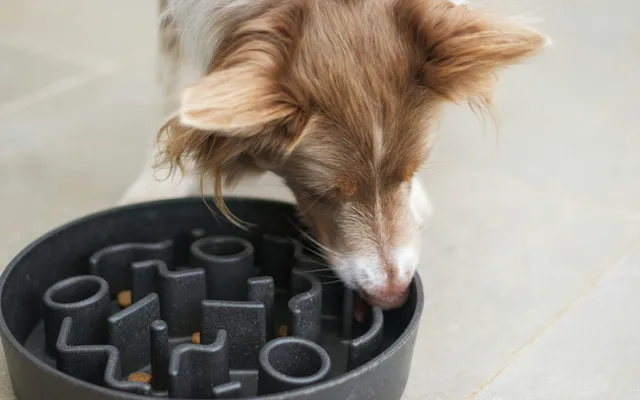
Slow Feeder Bowls and Puzzle Feeders for Dogs
One slows a dog that inhales dinner in nine seconds. The other occupies a dog that's bored. They solve different problems, and buying the wrong one wastes money.