Pet Health Care Guide
    Dogs

    Dog Health

    Real signs to watch for, common conditions explained, and a clear read on when a symptom means home care versus a trip to the vet.

    Articles

    Dog Diarrhea: When It's Normal and When to See a Vet

    Dog diarrhea can range from a minor stomach upset to a sign of serious illness. Learn the common causes, home care tips, and warning signs that need a vet.

    Justin Manuel Lantigua Germosen Updated Jul 23, 2026 5 min read

    Why Is My Dog Vomiting? Causes and When to See a Vet

    Dog vomiting can mean a lot of things, from a minor stomach upset to a medical emergency. Learn the causes, warning signs, and when to call your vet.

    Justin Manuel Lantigua Germosen Updated Jul 23, 2026 6 min read

    The question underneath every symptom: now, tomorrow, or not at all?

    Almost every guide in this section exists to answer one question, and it is rarely "what is this?" — it is "how worried should I be right now?" A dog that vomits once and then eats breakfast normally is a different animal from a dog that vomits repeatedly and cannot keep water down, even though the search term is identical.

    The signs that move something into the go-now category are consistent across conditions: repeated unproductive retching, a distended or hard abdomen, pale or white gums, collapse, laboured breathing, or an inability to keep water down for more than a few hours. Any one of those turns a wait-and-see situation into an emergency, and none of them should be researched instead of acted on.

    Summer has its own failure modes

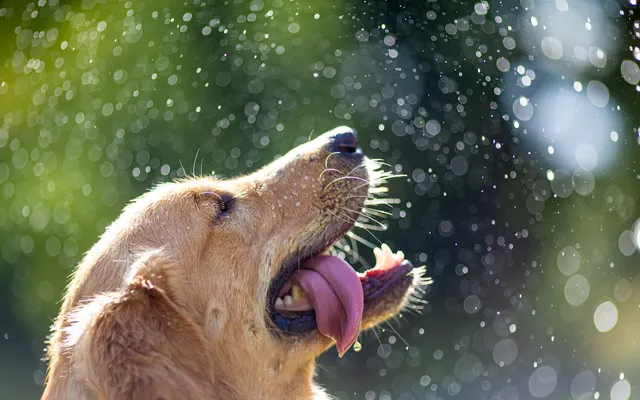
    Three of the guides here cluster around heat, and that is not a coincidence — warm months change what is normal. Dogs cool themselves almost entirely by panting, which becomes progressively less effective as humidity climbs, and flat-faced breeds start at a serious disadvantage. Heavy panting that does not settle with rest and shade is not a dog enjoying the weather.

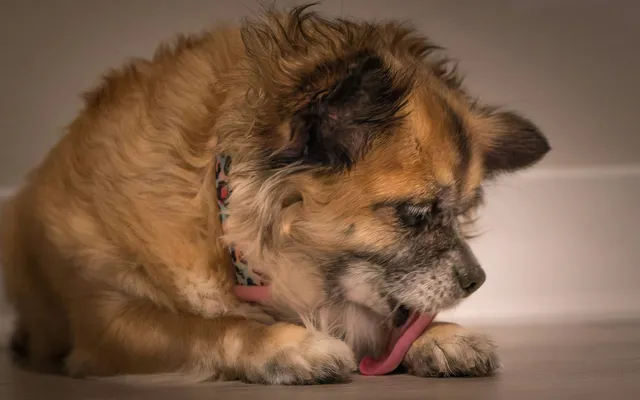
    The related patterns are worth knowing before they happen: a dog gulping water too fast after a walk can create its own problem, and summer paw and belly licking usually traces back to contact allergens or heat rather than to boredom.

    Chronic conditions announce themselves quietly

    The acute problems above are loud. The chronic ones are not, and they are easier to miss precisely because they arrive gradually. A dog that has become "lazy" over eighteen months has usually not changed personality — arthritis is the most common explanation, and it is treatable long before a dog is visibly limping.

    The same slow onset applies to allergies and recurrent ear infections, which are frequently the same problem wearing two hats: an underlying allergy expressing itself in the ears. Treating each infection in isolation while never addressing the cause is why some dogs seem to get one every few months for years.