
Is Milk Bad for Cats? The Truth About Dairy
Cats and milk seem like a classic pairing, but most adult cats are lactose intolerant. Learn why milk upsets cats and what safe alternatives exist.

On this page
The image of a cat happily lapping up a saucer of milk is one of the most enduring pet clichés, but it’s also mostly a myth when it comes to actual feline health. Most adult cats are lactose intolerant, and giving them milk regularly can cause real digestive discomfort rather than the harmless treat popular culture suggests.
Key Takeaways
- Most adult cats lose the ability to properly digest lactose after weaning, making them lactose intolerant.
- Milk can cause diarrhea, vomiting, and gas in cats due to undigested lactose fermenting in the gut.
- Milk offers no essential nutritional benefit that a cat doesn’t already get from a complete cat food.
- Lactose-free “cat milk” products exist as a safer alternative for owners who want to offer a treat.
Why Cats Struggle to Digest Milk
Kittens produce an enzyme called lactase, which breaks down lactose, the sugar found in milk, during nursing. As cats grow into adulthood, lactase production naturally decreases significantly in most cats, a change explained by veterinary sources including Grove Animal Hospital and PetMD. Without enough lactase, lactose passes through the digestive system undigested.
What Happens When a Lactose-Intolerant Cat Drinks Milk
Undigested lactose draws water into the intestines through an osmotic effect and gets fermented by gut bacteria, producing gas. According to The Conversation, this combination commonly leads to:
- Diarrhea
- Vomiting
- Bloating and gas
- General digestive discomfort
These symptoms typically appear within a few hours of drinking milk and can range from mild to fairly uncomfortable, depending on how much was consumed and the individual cat’s tolerance level.
Does Milk Have Any Nutritional Benefit for Cats?
Not really. A complete and balanced commercial cat food already provides all the essential nutrients a cat needs. Milk doesn’t offer anything nutritionally necessary that isn’t already covered, and its fat and calorie content can contribute to unwanted weight gain if given regularly.
Are Some Cats Able to Tolerate Milk?
Yes, tolerance varies. Some adult cats retain enough lactase activity to handle small amounts of milk without noticeable symptoms, while others react strongly even to a small taste. Since there’s no easy way to predict which category your cat falls into without trial and error (and resulting digestive upset), it’s simplest to avoid regular milk offerings altogether.
What About Kittens?
Nursing kittens rely on their mother’s milk or, if orphaned, a veterinarian-approved kitten milk replacer formulated specifically for their needs. Regular cow’s milk is not an appropriate substitute for kitten milk replacer, as it doesn’t match the nutritional profile kittens require and can cause digestive upset even in very young cats.
Safer Alternatives to Regular Milk
Lactose-Free “Cat Milk” Products
Several pet food brands offer lactose-free milk-like products specifically formulated for cats, designed to provide a similar taste experience without the digestive fallout of regular dairy.
Water
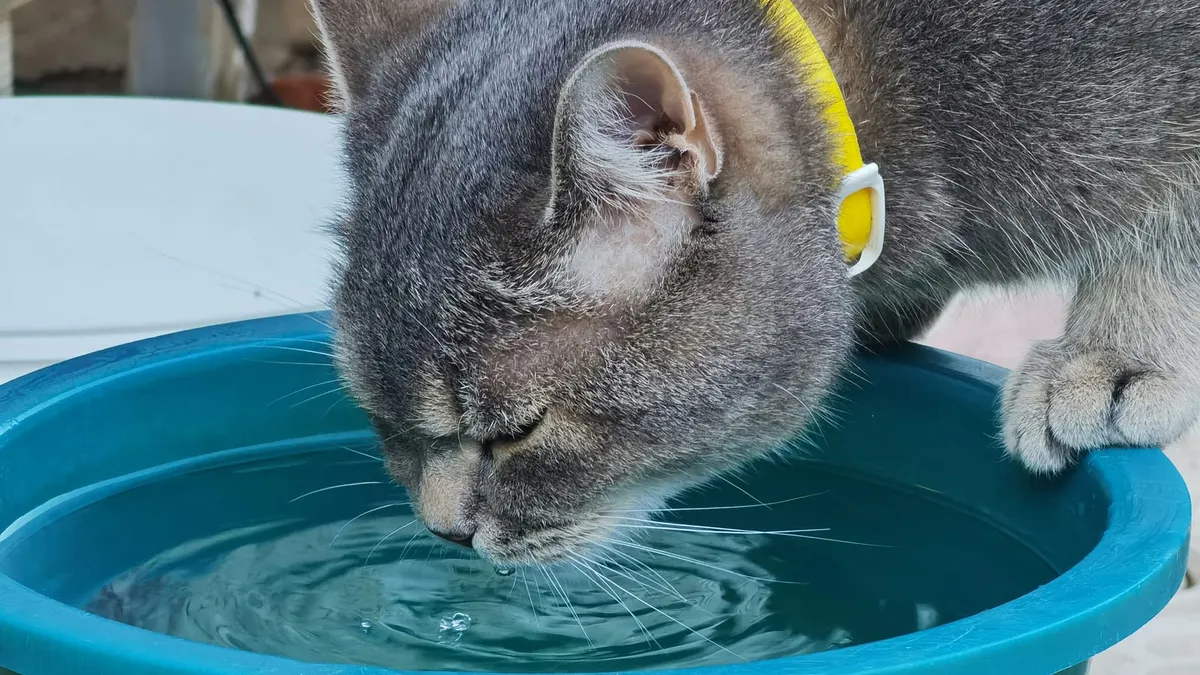
The simplest and safest beverage for cats remains fresh, clean water, which should always be available and is the only drink cats truly need.
Cat-Safe Treats in Moderation
If you want to offer your cat an occasional treat, look for treats specifically formulated for cats rather than dairy products, and keep treats to a small proportion of your cat’s overall diet.
What About Cheese and Other Dairy Products?
Other dairy products, such as cheese or yogurt, contain lactose as well, though often in smaller amounts than liquid milk. Some cats can tolerate a very small amount of cheese without issue, but it’s still best treated as an occasional, minimal indulgence rather than a regular part of your cat’s diet, given the same lactose intolerance concerns. For a broader rundown of what else to keep away from your cat, see our guide to human foods toxic to cats.
Frequently Asked Questions
Why do cats seem to like milk if it’s bad for them? Cats are often drawn to the fat content and taste of milk, similar to why many animals are attracted to calorie-dense foods, even though their digestive system isn’t well equipped to process the lactose it contains.
Is a small lick of milk going to seriously harm my cat? An occasional small taste is unlikely to cause serious harm, though it may still lead to mild digestive upset in a lactose-intolerant cat. Regularly offering milk is more likely to cause consistent digestive discomfort than a rare, small taste.
Can I give my kitten regular cow’s milk? No. Kittens have specific nutritional needs that regular cow’s milk doesn’t meet, and it can cause digestive upset even in young cats. Use a veterinarian-approved kitten milk replacer if a kitten needs supplemental feeding.
Are lactose-free cat milk products actually healthy? They’re generally formulated to be safe from a digestive standpoint since the lactose has been removed, but like any treat, they should be given in moderation and shouldn’t replace a complete, balanced cat food as the foundation of your cat’s diet.
What to remember
Despite the popular image, milk isn’t a healthy staple for cats. Most adult cats are lactose intolerant, and regular milk consumption is more likely to cause digestive upset than provide any real benefit. If you want to treat your cat to something milk-like, look for a lactose-free cat milk product, but water remains the only drink your cat truly needs.
This article is for general informational purposes. Consult your veterinarian regarding your cat’s specific dietary needs.
Sources
Related articles
Human Foods That Are Toxic to Cats: A Safety Guide
Onions, chocolate, lilies, and more: learn which human foods and household items are toxic to cats, the symptoms of poisoning, and what to do in an emergency.
How to Choose a Cat Water Fountain
Most fountain complaints come down to four things: pump noise, filter cost, the material, and how easy it is to clean. Here's what to check before you buy.
How to Help an Overweight Cat Lose Weight Safely
Cats cannot be crash-dieted. Cutting food too fast risks fatal liver failure, so feline weight loss is slow, measured and supervised. Here's how it's done.