Merlín the duck: the street vendor's pet who became the 2026 World Cup's unofficial mascot
A duck in a tiny Mexico jersey stole the 2026 World Cup. Meet Merlín, the family behind him, and the 'Nemo effect' welfare experts now fear.
 Justin Manuel Lantigua Germosen 4 min read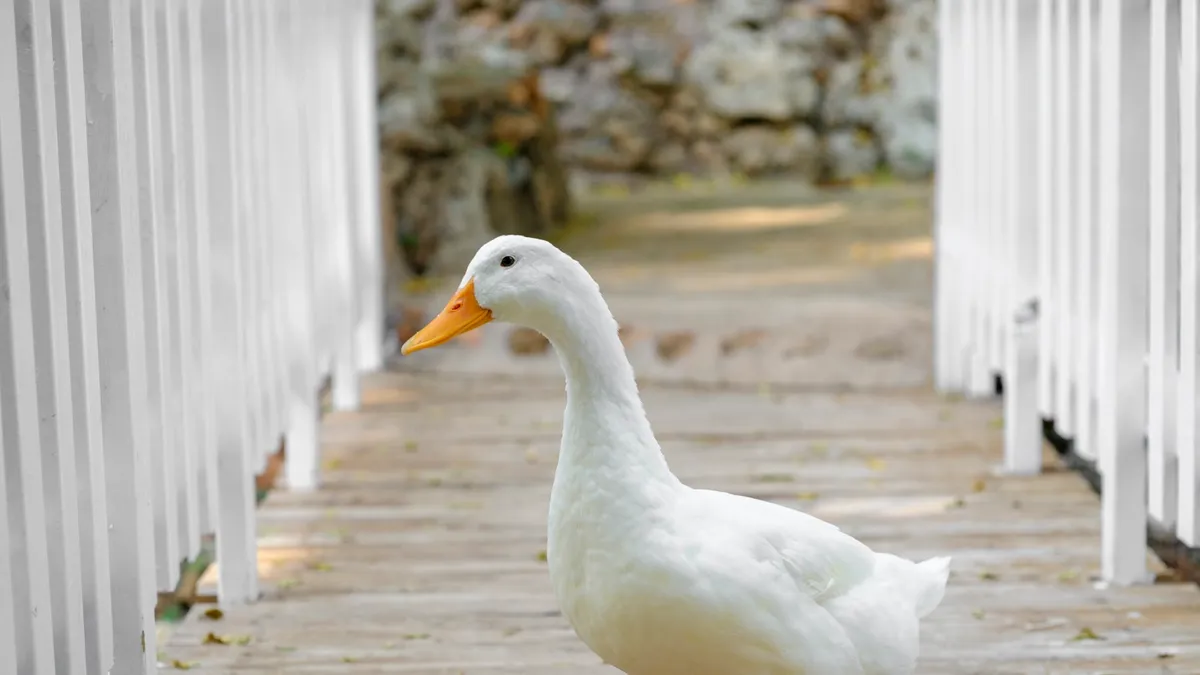
FIFA spent years and a fortune designing three official mascots for the 2026 World Cup. Then a real duck in a hand-stitched Mexico jersey waddled onto Paseo de la Reforma and quietly upstaged all of them.
His name is Merlín, and by the second week of the tournament he had become the most beloved animal in Mexican football — a title nobody, least of all his owners, saw coming.
How a pet duck conquered a World Cup
Merlín belongs to Carla Gómez, a street vendor who sells aguas frescas in Mexico City. The duck, reportedly around two years old, is a fixture at her stall, often dressed in a miniature Tri jersey and custom socks.
His leap from neighborhood curiosity to national symbol came after Mexico’s 2–0 win over South Africa in the opening match. As tens of thousands of fans flooded Reforma and the Zócalo Fan Fest to celebrate, Merlín appeared in the crowd alongside Gómez. Clips of the tiny jersey-clad duck bobbing through the party racked up millions of views within hours.
Fans immediately crowned him the tournament’s unofficial mascot — a grassroots answer to FIFA’s official trio, Maple (a Canadian moose), Zayu (a Mexican jaguar) and Clutch (a bald eagle for the United States).
From viral clip to registered trademark
The Merlín phenomenon snowballed fast. The duck was informally hailed as a fan “ambassador,” appeared across the Mexican national team’s own social channels, and was even roped into “predicting” match results. His family moved to protect the name and likeness as a registered trademark, and reports say FIFA itself reached out to the Gómez household.
The story reached the very top: President Claudia Sheinbaum received Merlín and the Gómez family, saying she had invited them for “humanist” reasons and offering government support.
Why did an ordinary duck resonate so deeply when polished corporate mascots didn’t? Mexican academic Pedro Rosete offered a neat explanation: when something feels imposed, audiences bristle; when they discover it themselves, they fall in love. Merlín wasn’t sold to anyone — the public chose him.
The part nobody’s laughing about: the “Nemo effect”
Here’s where a feel-good story needs a serious footnote — and where a duck like Merlín intersects with something we care about a lot.
Viral animal fame has a well-documented dark side. After Finding Nemo, demand for clownfish surged and countless fish were bought on impulse and later flushed or dumped. Animal-welfare advocates worry Merlín could trigger the same pattern with ducks — a phenomenon sometimes called the “Nemo effect.”
Ducks are a terrible impulse buy, and here’s why:
- They live a long time. A well-cared-for domestic duck can live 8 to 15 years — this is a decade-plus commitment, not a summer novelty.
- They need real space and water. Ducks require room to forage, clean water to swim and bathe, and the company of other ducks. A balcony or bathtub won’t do.
- They’re messy and loud. Ducks produce a remarkable amount of waste and are not quiet, which is why many cities ban backyard poultry outright.
- Dumped ducks usually die. Domestic ducks abandoned at local ponds typically can’t fly south, struggle to find food, and fall prey to predators. Releasing one is not a kindness.
The kindest way to love Merlín is from a distance. If a duck genuinely fits your life, space and local laws, adopt one from a farm-animal rescue — where, ironically, many abandoned “impulse ducks” are already waiting for homes.
The bottom line
Merlín is a wonderful, wholesome story — proof that a scrappy street-stall duck can out-charm a multimillion-dollar marketing campaign. Enjoy him. Just don’t let the joy end with a duckling in a shopping cart and a heartbreak six months later.
Merlín’s fame is a reminder that every animal, viral or not, is a living commitment — not a costume.