
How to Clean Your Dog's Ears Safely
Most dogs need their ears cleaned far less often than owners think, and over-cleaning causes problems of its own. Here's the method, and when to stop and call a vet.
 Justin Manuel Lantigua Germosen 7 min read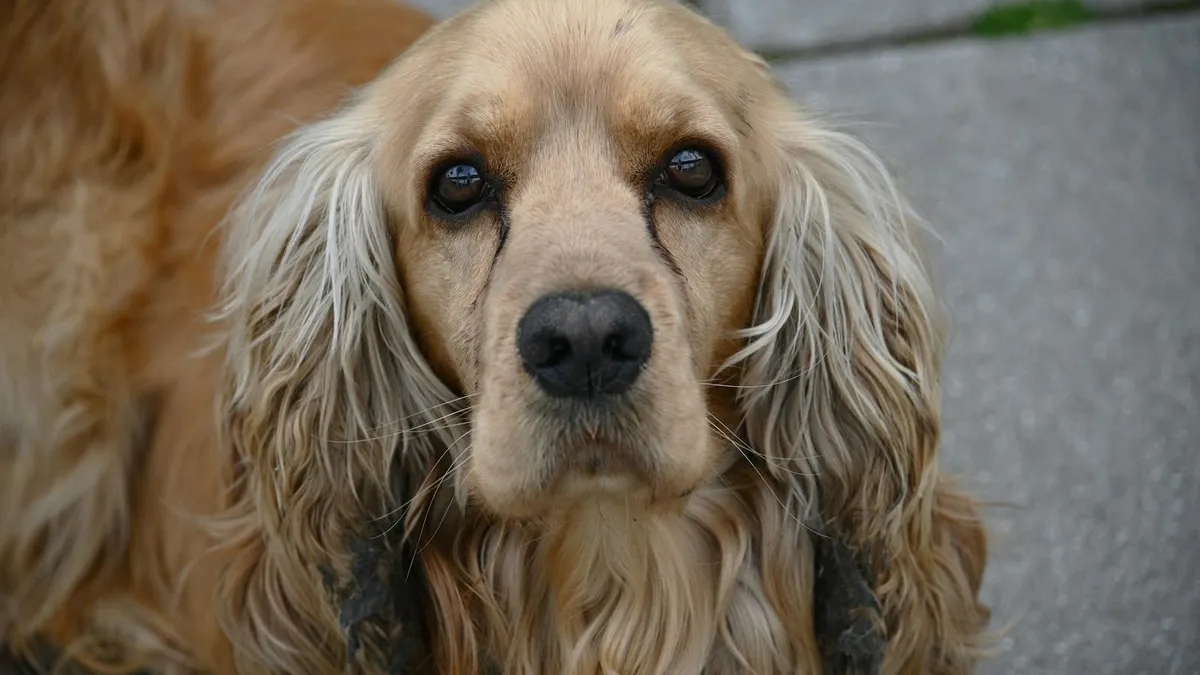
On this page
Ear cleaning is one of those routines that owners either never do or do far too often, and both create problems. A healthy ear cleans itself. Wax migrates outward on its own, and the canal maintains a balance of normal organisms that a weekly scrub disrupts.
The dogs who genuinely need regular cleaning are a smaller group than the pet aisle suggests: dogs with drop ears, dogs who swim, dogs with allergies, and breeds whose ear anatomy works against them. This is how to do it properly for those dogs, and how to tell when what you’re looking at needs a vet instead of a wipe.
Key Takeaways
- Clean only when there’s a reason. Over-cleaning irritates the canal and can trigger the problem you’re trying to avoid.
- Never use cotton buds. The canal is L-shaped, so anything narrow enough to insert goes deeper than you can see.
- A yeasty smell, redness, dark discharge, head shaking or pain means examination before cleaning.
- After swimming or bathing, drying the ears matters more than cleaning them.
Which Dogs Actually Need It
Ear anatomy varies more between breeds than most owners realise, and it’s the main thing that decides how often cleaning helps.
Dogs who often need it:
- Drop-eared breeds. A hanging ear flap keeps the canal warm and poorly ventilated, which suits yeast and bacteria. Beagles, Dachshunds, spaniels and Golden Retrievers all sit in this group.
- Swimmers. Water in the canal is the single most reliable way to set up an infection. Retrievers who swim weekly need a routine.
- Dogs with allergies. Recurrent ear trouble is very often the ear end of a skin allergy, not a hygiene failure, and our guide to allergies in dogs covers why the two travel together.
- Dogs with hairy canals, such as poodles and doodles, where hair traps wax and moisture.
Dogs who often don’t:
Upright-eared breeds with dry, odourless, pale ears and no history of infection. A German Shepherd with clean ears usually needs looking at, not cleaning.
Look Before You Clean
Lift the flap and check what’s actually there. This takes ten seconds and decides whether you clean or phone the vet.
Normal: pale skin, a small amount of pale brown or tan wax, no smell, no heat, no discomfort when you handle it.
Not normal, and a reason to call the vet before cleaning:
| What you see | What it suggests |
|---|---|
| Yeasty, sweet or sour smell | Yeast overgrowth, very common in drop-eared dogs |
| Dark brown or black, coffee-ground debris | Yeast, or ear mites in young dogs |
| Yellow or green discharge | Bacterial infection |
| Redness, swelling, heat | Inflammation that needs treating, not washing |
| Pain, flinching, crying when touched | Can indicate a deep or ruptured eardrum |
| Persistent head shaking or tilting | Warrants examination the same week |
| A swollen, spongy ear flap | Likely an aural haematoma from head shaking, which needs veterinary attention |
Cleaning an infected ear without treating the infection rarely helps and often makes the dog more sore. It also matters that some cleaners are unsafe if the eardrum is perforated, and you can’t tell that by looking from the outside. Our guide to ear infections in dogs covers the treatment side.
What You Need
- A dog ear cleaner, preferably one your vet recommends for your dog’s situation
- Cotton wool balls or gauze squares
- A towel
- Treats, and enough of them to matter
Leave out cotton buds, hydrogen peroxide, surgical spirit, vinegar and water, olive oil and anything else from the kitchen. Peroxide and alcohol sting inflamed skin badly. Oils leave residue that traps debris.
Warm the bottle in your hands for a minute first. Cold liquid in the ear canal is unpleasant and makes the next attempt harder.
The Method
-
Set up somewhere easy to wipe down. Your dog will shake, and the cleaner will go across the room. A bathroom, or outdoors in decent weather.
-
Lift the ear flap to expose and straighten the canal opening.
-
Fill the canal with cleaner. More than feels right. The canal should be full enough that liquid is visible at the opening. A tentative few drops sit at the top and do nothing.
-
Massage the base of the ear for twenty to thirty seconds. You’re aiming for the soft cartilage below the ear, where the canal runs. Most dogs enjoy this part, and you should hear a squelching sound, which means the cleaner has reached where it needs to be.
-
Let them shake. This is the step that does the work, bringing loosened debris up out of the canal. Stand back.
-
Wipe the visible parts only. Cotton wool around your finger, cleaning the ear flap and the opening of the canal. Go no further than your finger reaches comfortably. Anything deeper is the vet’s job.
-
Repeat on the other side, and pay them properly. A dog who associates ear handling with treats is a dog whose ears you can check for the next decade.
If the first wipe comes away heavily soiled, a second round is fine. If the third round is still producing dark debris, stop and book an appointment.
Frequency, Honestly
There’s no schedule that fits every dog. Reasonable starting points:
- Healthy upright ears, no history: check monthly, clean only if there’s visible wax buildup
- Drop ears, no current problem: every two to four weeks
- Swimmers: dry the ears after every swim, clean as advised
- Allergic dogs or dogs with recurrent infections: whatever your vet has specified, which may be more often
Then adjust based on what you see. Ears that are consistently clean at two weeks can go to four. Ears that are grubby at two weeks may need attention to the underlying cause rather than more cleaning.
Drying Beats Cleaning
For swimmers and for dogs who’ve just been bathed, getting water out of the ear matters more than getting wax out. Cotton wool held gently at the canal opening absorbs a surprising amount. Some vets recommend a drying solution for dogs who swim regularly.
The same applies at bath time. Our guide to how often to bathe your dog covers the wider routine, and ear drying belongs in it for any drop-eared breed.
Frequently Asked Questions
How often should I clean my dog’s ears? Only as often as they actually need it. Many dogs with upright ears and no history of trouble need cleaning rarely or never. Dogs with drop ears, swimmers, and breeds prone to ear problems often benefit from every two to four weeks, and after every swim. Weekly cleaning of a healthy ear tends to cause irritation rather than prevent it.
Can I use cotton buds in my dog’s ears? No. A cotton bud pushes debris further down the canal and risks damaging the eardrum. A dog’s ear canal is L-shaped, with a vertical section before the horizontal one, so anything narrow enough to fit goes deeper than you can see. Cotton wool or gauze wrapped around a finger is the safe alternative.
What can I use to clean my dog’s ears at home? A cleaner formulated for dogs, ideally one your vet recommends. Avoid hydrogen peroxide, rubbing alcohol and vinegar solutions, which sting inflamed skin and can make matters worse. Never put anything into an ear that may have a ruptured eardrum, which is one reason a first-time discharge is a vet visit rather than a home job.
How do I know if it’s an infection rather than dirt? Normal ear wax is pale brown to tan, present in small amounts, and doesn’t smell. Infection tends to bring a distinct yeasty or sour odour, redness, heat, dark or coloured discharge, head shaking, and pain when the ear is touched. Any of those means an examination first, because cleaning an infected ear without treating the infection rarely helps.
The takeaway
Good ear care is mostly looking, occasionally cleaning, and knowing which of the two a given ear needs. Fill the canal properly, massage, let the dog shake, wipe only what you can see, and never reach for a cotton bud. If the ear smells, hurts or keeps producing debris, the answer isn’t a better cleaning technique. It’s finding out why, because recurrent ear problems usually have a cause upstream, and allergies are the most common one.
This article is for general informational purposes and is not a substitute for veterinary advice. Do not put anything into a painful, discharging or bleeding ear before your dog has been examined.
Sources
Related articles
How to Brush Your Dog's Teeth (and Why Dental Care Matters)
Dental disease affects most dogs by age three. Learn how to brush your dog's teeth safely, how often, and other ways to support their dental health.
How to Trim Your Dog's Nails Safely at Home
Nervous about trimming your dog's nails? Learn how to do it safely step by step, how often it's needed, and what to do if you accidentally cut the quick.
Dog Brushes Explained: Which Tool for Which Coat
A slicker on a smooth coat does nothing, and a deshedding blade on a doodle does damage. Here's which brush matches which coat, and which ones to skip.