
How to Brush Your Dog's Teeth (and Why Dental Care Matters)
Dental disease affects most dogs by age three. Learn how to brush your dog's teeth safely, how often, and other ways to support their dental health.

On this page
Dental disease is one of the most common, and most under-addressed, health issues in dogs. Left untreated, it doesn’t just cause bad breath; it can lead to painful tooth loss, infection, and has even been linked to broader health issues affecting the heart, kidneys, and liver. The good news is that regular at-home brushing is one of the simplest, most effective things you can do for your dog’s long-term health.
Key Takeaways
- Periodontal disease is extremely common in dogs, and risk increases significantly with age if dental care is neglected.
- Daily brushing is the gold standard for preventing plaque and tartar buildup, though even a few times a week makes a meaningful difference.
- Only use toothpaste made specifically for dogs; human toothpaste often contains xylitol, which is toxic to dogs, along with fluoride levels unsuitable for swallowing.
- Professional dental cleanings under anesthesia are sometimes necessary to address tartar and disease that brushing alone can’t reverse.
Why Dental Care Matters So Much
Plaque, a soft film of bacteria, forms on teeth constantly. Left unaddressed, it hardens into tartar within days, which brushing alone can no longer remove. Over time, this progresses to periodontal disease, involving inflammation and infection of the structures supporting the teeth, which can cause pain, tooth loss, and has been associated with effects on other organs due to bacteria entering the bloodstream through inflamed gum tissue.
Because dogs are skilled at hiding pain, dental disease often goes unnoticed by owners until it’s fairly advanced, which is part of why proactive home care matters so much.
Signs of Dental Problems in Dogs
- Bad breath beyond typical “dog breath”
- Visible tartar (yellow-brown buildup) on teeth
- Red, swollen, or bleeding gums
- Reluctance to chew or eating on one side of the mouth
- Pawing at the face or mouth
- Loose or missing teeth
- Drooling more than usual
If you notice any of these signs, schedule a veterinary dental exam rather than relying on brushing alone to resolve an existing problem.
How to Brush Your Dog’s Teeth Step by Step
Step 1: Choose the Right Supplies
Use a toothbrush designed for dogs (or a finger brush for smaller mouths or dogs new to the process) and toothpaste formulated specifically for dogs. Never use human toothpaste, since it often contains xylitol, a substance toxic to dogs, along with other ingredients not meant to be swallowed.
Step 2: Introduce the Process Gradually
Before ever using a brush, get your dog comfortable with having their mouth handled. Gently lift the lips and touch the teeth and gums briefly, rewarding calm behavior with praise or a treat — the same gradual, positive approach that works well for getting a dog comfortable with nail trims.
Step 3: Let Your Dog Taste the Toothpaste First
Dog toothpaste often comes in dog-friendly flavors like poultry or peanut butter. Let your dog lick a small amount off your finger to build a positive association before introducing the brush.
Step 4: Start With Short Sessions
Begin by brushing just the front teeth for a few seconds, gradually working up to the back teeth and a longer session as your dog becomes more comfortable.
Step 5: Use a Gentle, Circular Motion
Angle the brush toward the gum line and use small circular motions, focusing especially on the outer surfaces of the teeth, which tend to accumulate the most tartar.
Step 6: Reward Throughout and After
Praise and reward your dog during and after each session to build a lasting positive association with tooth brushing.
Step 7: Aim for Daily Brushing, But Be Consistent Over Perfect
While daily brushing is ideal, brushing even a few times a week is significantly better than not brushing at all, and consistency matters more than perfection.
Other Ways to Support Dental Health
Dental Chews and Treats
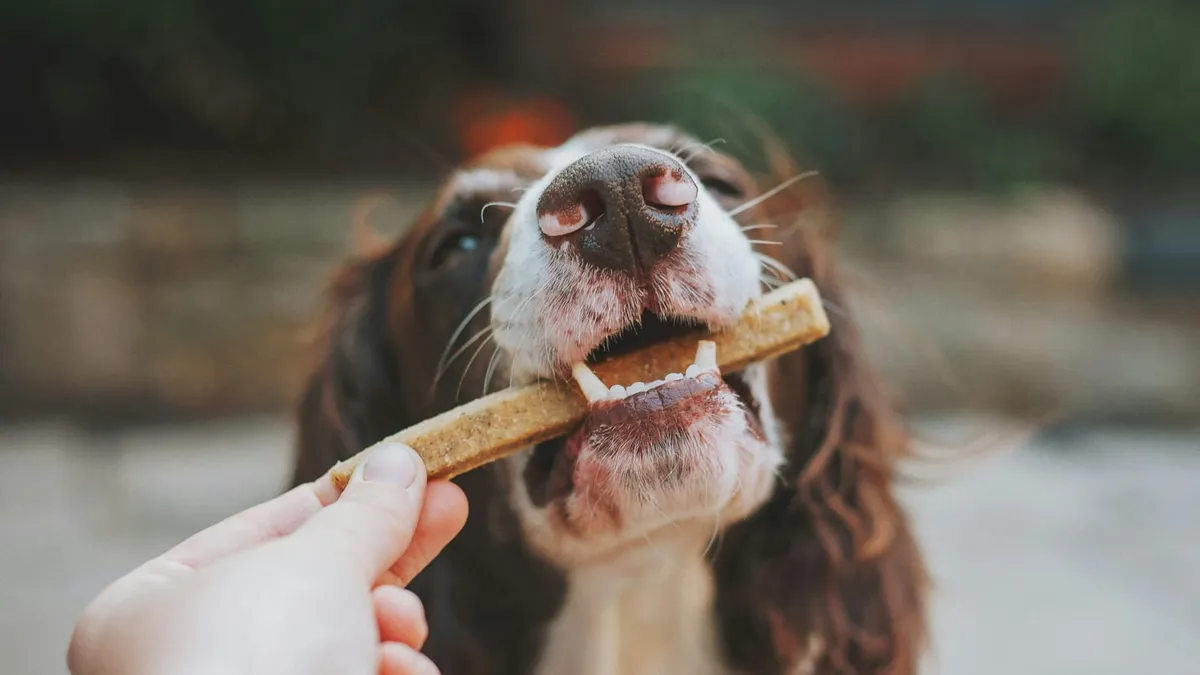
Products designed with a texture intended to reduce plaque and tartar can be a helpful addition, though they work best as a supplement to brushing, not a replacement for it. Even the mechanical act of chewing dry kibble offers modest benefits, as covered in our comparison of raw diets and kibble, but neither replaces an actual brushing routine.
Water Additives
Some dental water additives are formulated to help reduce bacteria in the mouth, though their effectiveness varies and they shouldn’t be relied on as a sole dental care method.
Professional Veterinary Cleanings
Even with excellent home care, most dogs benefit from periodic professional dental cleanings under anesthesia, which allow a thorough cleaning below the gumline and dental X-rays to check for hidden problems that can’t be seen or addressed through home brushing alone.
Regular Veterinary Dental Exams
Routine checkups often include a basic dental assessment, helping catch developing issues before they become painful or require more invasive treatment.
What If My Dog Won’t Tolerate Brushing?
Some dogs need significantly more gradual desensitization, sometimes over several weeks, before accepting a full brushing routine. If your dog consistently resists despite a patient approach, talk to your vet about alternative dental support options and whether more frequent professional cleanings might be a reasonable substitute in the meantime.
Frequently Asked Questions
How often should I brush my dog’s teeth? Daily brushing is considered the gold standard for preventing plaque buildup, but brushing several times a week still provides meaningful benefit if daily brushing isn’t realistic for your household.
Can I use human toothpaste on my dog? No. Human toothpaste often contains xylitol, which is toxic to dogs, and other ingredients not designed to be swallowed. Always use a toothpaste made specifically for dogs.
Do dental chews replace the need for brushing? No, dental chews and treats can be a helpful addition to a dental care routine, but they don’t replace the mechanical and thorough cleaning that brushing provides, particularly along the gumline.
How do I know if my dog needs a professional dental cleaning? Visible tartar buildup, bad breath, red or bleeding gums, or reluctance to chew are all signs it’s worth scheduling a veterinary dental exam, which can determine whether a professional cleaning under anesthesia is needed.
Putting it all together
Dental disease is common, painful, and largely preventable with consistent care. Regular brushing with dog-specific toothpaste, paired with dental chews and periodic professional cleanings, gives your dog the best chance at a healthy mouth and can meaningfully reduce the risk of more serious health complications down the road.
This article is for informational purposes only. Consult your veterinarian regarding your dog’s specific dental health needs.
Sources
Related articles

How to Trim Your Dog's Nails Safely at Home
Nervous about trimming your dog's nails? Learn how to do it safely step by step, how often it's needed, and what to do if you accidentally cut the quick.

How to Clean Your Dog's Ears Safely
Most dogs need their ears cleaned far less often than owners think, and over-cleaning causes problems of its own. Here's the method, and when to stop and call a vet.

Dog Brushes Explained: Which Tool for Which Coat
A slicker on a smooth coat does nothing, and a deshedding blade on a doodle does damage. Here's which brush matches which coat, and which ones to skip.