
Separation Anxiety in Dogs: Signs, Causes, and Solutions
Learn to recognize separation anxiety in dogs, what causes it, and proven, humane training strategies to help your dog feel calmer when left alone.

On this page
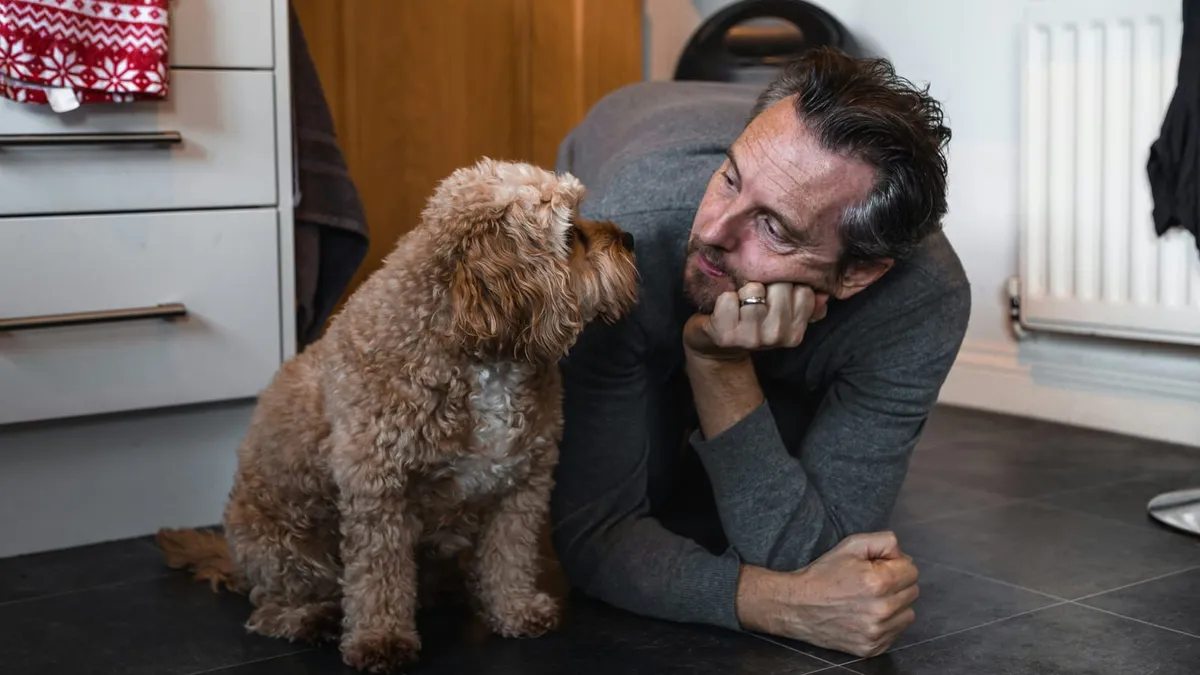
If your dog howls, paces, or destroys furniture the moment you walk out the door, you’re not dealing with a “bad dog.” You’re most likely dealing with separation anxiety, one of the most common and most misunderstood behavior issues in dogs. It isn’t disobedience or spite. It’s a genuine panic response to being separated from the people your dog is attached to.
The encouraging part is that separation anxiety is very treatable in most dogs with consistent training, a few environmental changes, and, in some cases, veterinary support. Here’s how to recognize it and what actually helps.
Key Takeaways
- Separation anxiety is a panic response, not a training failure or spite-based behavior.
- Common signs include destructive chewing, house soiling, excessive barking or howling, and attempts to escape, all occurring specifically when the dog is left alone.
- Effective treatment focuses on gradual desensitization to departures, not punishment.
- Severe cases often benefit from working with a certified dog behaviorist and, in some cases, veterinary-prescribed anti-anxiety medication alongside training.
What Separation Anxiety Actually Looks Like
Separation anxiety symptoms happen specifically when a dog is left alone, or sometimes just separated from one particular person in the household. Common signs include:
- Destructive behavior focused around exit points, such as chewed door frames, scratched windowsills, or damaged blinds
- Excessive vocalization, including howling, barking, or whining that starts shortly after you leave
- House soiling in a dog who is otherwise fully house-trained
- Pacing in a fixed pattern, often along a specific path near doors or windows
- Excessive drooling or panting unrelated to heat or exercise
- Attempts to escape crates or rooms, sometimes resulting in self-injury
- Following you from room to room obsessively when you’re home, sometimes called “shadowing”
- Repeated behavior right before you leave, such as pacing or whining as you pick up your keys or put on shoes
If these behaviors happen consistently only when your dog is alone, and not, for example, throughout the day regardless of your presence, separation anxiety is a likely explanation.
What Causes Separation Anxiety in Dogs
Changes in Routine or Household
Dogs are highly sensitive to routine. A change in work schedule, a move to a new home, the loss of a family member (human or animal), or a shift from constant companionship to sudden alone time can all trigger anxiety.
Lack of Alone-Time Conditioning as a Puppy
Puppies who are never gradually taught that being alone is safe, especially those adopted during periods when owners were home constantly, may struggle more with independence later.
Rescue and Shelter History
Dogs adopted from shelters or with a history of abandonment often show a higher likelihood of separation-related anxiety, likely linked to previous experiences of loss or instability — in the same way that early scarcity or competition can leave a dog prone to resource guarding later on.
Traumatic Events
A frightening experience that happened while the dog was alone, such as a thunderstorm, a break-in, or loud construction noise, can create a lasting association between being alone and danger.
Genetics and Temperament
Some breeds and individual dogs are simply more prone to anxiety in general, and this can extend specifically to time spent away from their people.
How to Help a Dog With Separation Anxiety
1. Start With a Veterinary Checkup
Before starting behavioral training, rule out medical causes for house soiling or restlessness, such as a urinary tract infection or cognitive decline in senior dogs.
2. Practice Departures Without Leaving
Pick up your keys, put on your shoes, or grab your coat, then sit back down. Repeating these “fake” departure cues without actually leaving helps break the association between these triggers and panic.
3. Desensitize to Alone Time Gradually
Start with extremely short absences, sometimes just a few seconds, and slowly increase the duration only once your dog stays calm at the current level. This process, often guided by a certified professional, can take weeks, but rushing it typically sets a dog back.
4. Keep Departures and Arrivals Low-Key
Avoid long, emotional goodbyes or excited greetings. Calm, low-key entries and exits teach your dog that comings and goings are not a big deal.
5. Provide Mental and Physical Enrichment
A dog that’s had a good walk and a chance to use their brain, through puzzle feeders, scent games, or chew toys, is more likely to settle when left alone. Giving a long-lasting chew or food puzzle right before you leave can also create a positive association with departures.
6. Create a Safe, Comfortable Space
Some dogs do better with access to a specific room or a crate they already view as a safe den, while others do worse when confined. Pay attention to what setup helps your individual dog relax.
7. Consider Background Noise
Leaving on a television, white noise machine, or calming music designed for dogs can mask outside sounds that might otherwise trigger anxiety.
8. Talk to Your Vet About Medication for Moderate to Severe Cases
For dogs with significant anxiety, veterinarians may recommend anti-anxiety medication alongside behavioral training. Medication is not a replacement for training, but it can lower a dog’s baseline stress enough for training to actually work.
9. Work With a Certified Professional for Severe Cases
Dogs who injure themselves trying to escape, or whose anxiety isn’t improving with basic strategies, benefit from working with a certified separation anxiety trainer or veterinary behaviorist who can build a customized, gradual plan.
What Not to Do
- Don’t punish anxiety-driven behavior. Yelling at or punishing a dog for destructive behavior or accidents caused by anxiety increases stress and can worsen the problem.
- Don’t rush the process. Leaving a dog alone for hours before they’re ready, in the hope they’ll “get used to it,” often backfires and increases fear.
- Don’t rely solely on crating without conditioning. For some dogs, a crate feels safe; for others, especially those with separation anxiety, it can heighten panic if not introduced properly.
Frequently Asked Questions
Is separation anxiety in dogs treatable? Yes, most dogs improve significantly with consistent, gradual desensitization training, environmental adjustments, and, when needed, professional or veterinary support. Full resolution can take weeks to months depending on severity.
Does getting a second dog fix separation anxiety? Not usually. Separation anxiety is typically about attachment to specific people, not simply about being alone, so another dog in the house often does not resolve the underlying issue.
Can puppies develop separation anxiety? Yes, especially puppies who haven’t been gradually taught that alone time is safe. Early, gentle conditioning to short absences can help prevent it from developing.
How long does it take to fix separation anxiety in dogs? It varies widely. Mild cases may improve within a few weeks of consistent training, while more severe cases can take several months of gradual, professionally guided work.
The takeaway
Separation anxiety is hard on dogs and stressful for owners, but it responds well to patient, structured training that treats it as the panic response it actually is, rather than a behavior problem to be punished. Small, consistent steps toward comfortable alone time, paired with professional support for tougher cases, give most dogs a real path to feeling secure at home, even when you’re not there. If you’re still choosing a dog, our guide to the best breeds for first-time owners covers temperament and how much company different dogs tend to need.
This article is for informational purposes only. For persistent or severe anxiety, consult your veterinarian or a certified dog behaviorist.
Sources
Related articles
Preparing Your Dog for the Back-to-School Routine
Summer means constant company. September means an empty house. Here's how to rebuild your dog's tolerance for alone time before the routine actually changes.
Resource Guarding in Dogs: Why It Happens and How to Address It
Growling over food or toys is called resource guarding. Learn why dogs guard resources, how to recognize early signs, and humane training steps to address it.
Puppy Biting and Nipping: Why It Happens and How to Stop It
Puppy biting is normal but can be trained away. Learn why puppies nip, bite-inhibition techniques, and step-by-step ways to teach gentle play without punishment.