
Best Hypoallergenic Cat Breeds for Allergy Sufferers
Allergic to cats but want one anyway? Discover the cat breeds most often recommended for allergy sufferers, what 'hypoallergenic' really means, and home tips.

On this page
Cat allergies are notoriously common, even more so than dog allergies for many people, which makes the idea of a “hypoallergenic” cat especially appealing. While no cat is entirely allergen-free, certain breeds are associated with lower allergen production or reduced allergen spread, giving allergy-prone cat lovers a real, if imperfect, option.
Key Takeaways
- Cat allergies are triggered primarily by a protein called Fel d 1, found in saliva, skin, and sebaceous glands, not just fur.
- Some breeds are documented to produce lower levels of Fel d 1, while others simply shed less, reducing allergen spread around the home.
- Individual cats within the same breed can still vary in how much allergen they produce.
- Spending time with a specific cat before adopting is the most reliable way to judge your personal reaction.
Understanding Cat Allergies
The primary allergen responsible for most cat allergy reactions is a protein called Fel d 1, produced in a cat’s saliva and skin glands and spread through grooming, shedding, and dander. Because cats groom themselves constantly, this protein ends up on their fur and, from there, throughout your home.
Some breeds have been found to produce less Fel d 1 than average, while others primarily help by shedding less, meaning less dander and allergen circulate through the home even if the underlying Fel d 1 production isn’t significantly different.
Best Cat Breeds for Allergy Sufferers
Siberian
Siberians are one of the most frequently cited breeds for lower Fel d 1 production, and many allergy sufferers report fewer symptoms around Siberians compared to other breeds. Despite their long, thick coat, this breed is a popular choice specifically because of the allergen difference, not because of low shedding.
Balinese
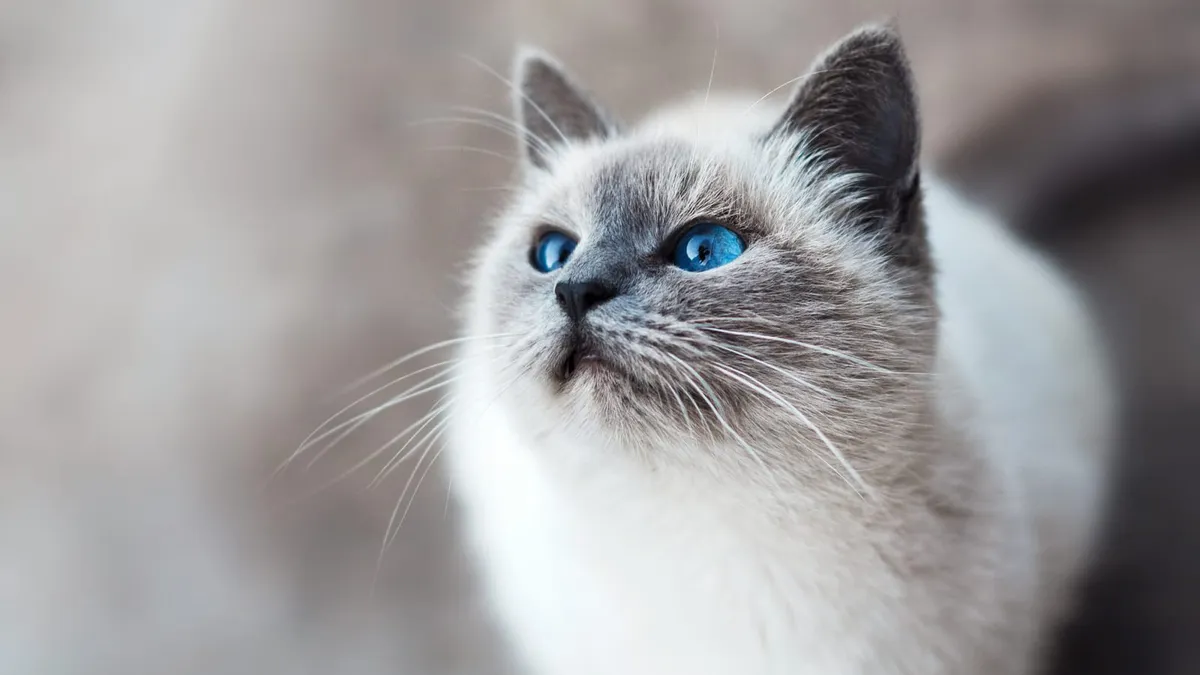
Sometimes called the “longhaired Siamese,” Balinese cats are believed to produce comparatively lower levels of Fel d 1 than many other breeds, making them a fairly common recommendation for allergy-conscious households, despite having a longer coat.
Devon Rex and Cornish Rex
These breeds have unusually soft, short, curly coats that shed significantly less than most cats, which can help reduce allergen spread around the home, even though the underlying allergen production isn’t necessarily lower.
Sphynx
Hairless Sphynx cats don’t shed fur (since they have none), which some allergy sufferers find helpful since there’s less allergen-carrying fur circulating the home. However, Sphynx cats still produce Fel d 1 in their skin oils, and their skin actually requires more frequent bathing to manage oil buildup, which can affect allergen levels in either direction depending on grooming routine.
Russian Blue
Often mentioned as a lower-allergen option, though the evidence is more anecdotal than for Siberians. Their short, dense coat sheds moderately.
Oriental Shorthair
A short-coated relative of the Siamese, Oriental Shorthairs shed relatively little, which may help reduce allergen accumulation around the home compared to heavier-shedding breeds.
Practical Tips for Managing Cat Allergies at Home
Bathe Your Cat Periodically
Regular bathing (as tolerated, and following guidance appropriate for your specific cat) can help reduce the amount of allergen on the fur and skin, though this needs to be balanced against your cat’s tolerance and skin health.
Brush Frequently, Ideally Outside or in a Non-Living Space
Regular brushing removes loose fur and dander before it spreads around the home, but doing this in a well-ventilated area or outdoors can help prevent allergens from settling into your main living spaces.
Keep Bedrooms Cat-Free
Designating your bedroom as a cat-free zone can significantly reduce nighttime allergen exposure and improve sleep quality for allergy sufferers.
Use HEPA Air Purifiers
HEPA filtration can help capture airborne allergen particles, particularly in frequently used rooms.
Wash Hands After Handling
Simple hand-washing after petting your cat, especially before touching your face, reduces direct allergen transfer.
Clean Frequently
Regular vacuuming with a HEPA filter and washing soft furnishings, bedding, and cat bedding can meaningfully reduce accumulated allergen levels in the home.
Talk to an Allergist About Immunotherapy
For people determined to keep a cat despite allergies, an allergist can discuss options like allergy shots (immunotherapy), which can reduce sensitivity over time for some people.
Spend Time With the Specific Cat First
Because Fel d 1 production varies even within breeds known for lower allergen levels, and because individual allergic sensitivity varies from person to person, spending extended time with the specific cat you’re considering, ideally multiple visits over different days, is one of the most reliable ways to judge your actual reaction before adopting.
Frequently Asked Questions
Is there a truly non-allergenic cat breed? No. All cats produce some level of Fel d 1, the primary allergy-triggering protein. Certain breeds like Siberians and Balinese are associated with comparatively lower levels, and low-shedding breeds can reduce allergen spread around the home, but individual reactions still vary.
Do hairless cats cause fewer allergies? Not necessarily. While Sphynx cats don’t shed fur, they still produce Fel d 1 in their skin oils, and their skin actually requires more frequent bathing, which affects allergen levels depending on grooming routine. Some allergy sufferers do better with hairless breeds due to less fur circulating, but it’s not a guarantee.
Can male or female cats affect allergy severity? Some research suggests unneutered male cats tend to produce more Fel d 1 than females or neutered males, which is part of why neutering is sometimes mentioned as a factor that may modestly reduce allergen levels, alongside its other health and behavioral benefits.
Should I get an allergy test before adopting a cat? If you know you have cat allergies but are considering adoption anyway, discussing your specific sensitivity level with an allergist, along with spending real time with the specific cat beforehand, gives you the most realistic picture of what to expect.
The bottom line
While no cat breed is completely allergen-free, breeds like Siberians and Balinese are associated with comparatively lower Fel d 1 production, and low-shedding breeds like Devon Rex or Oriental Shorthair can help reduce allergen spread around the home. Combined with good home-cleaning habits and, ideally, real time spent with the specific cat beforehand, many allergy sufferers do find a workable path to living comfortably with a cat. Dog owners managing similar sensitivities can find low-shedding dog breeds worth considering as well.
This article is for general informational purposes. Consult an allergist for personalized guidance on managing pet allergies.
Sources
- American College of Allergy, Asthma & Immunology: Pet Allergies
- Smithsonian Magazine: There’s No Such Thing as a Hypoallergenic Cat
- PMC (National Library of Medicine): Do Hypoallergenic Cats Exist? Determination of Major Cat Allergen Fel d 1 Production in Normal and Hypoallergenic Cat Breeds
- PMC (National Library of Medicine): Polymorphism Analysis of Ch1 and Ch2 Genes in the Siberian Cat
Related articles
Most Affectionate Cat Breeds That Love to Cuddle
Looking for a cuddly companion? Discover the most affectionate cat breeds known for their loyalty, love of lap time, and constant devotion to their humans.
Best Cat Breeds for Apartment Living
Not all cats adapt equally to small spaces. Discover the best cat breeds for apartment living based on activity level, vocalization, and adaptability.
10 Best Cat Breeds for Families and First-Time Owners
Looking for a friendly, adaptable cat? Discover 10 cat breeds known for their easygoing temperament, patience with children, and beginner-friendly care needs.