
Why Does My Cat Bite Me During Petting? Understanding Overstimulation
Petting-induced biting is common and not aggression. Learn why cats overstimulate during petting, how to read their body language, and how to prevent bites.

On this page
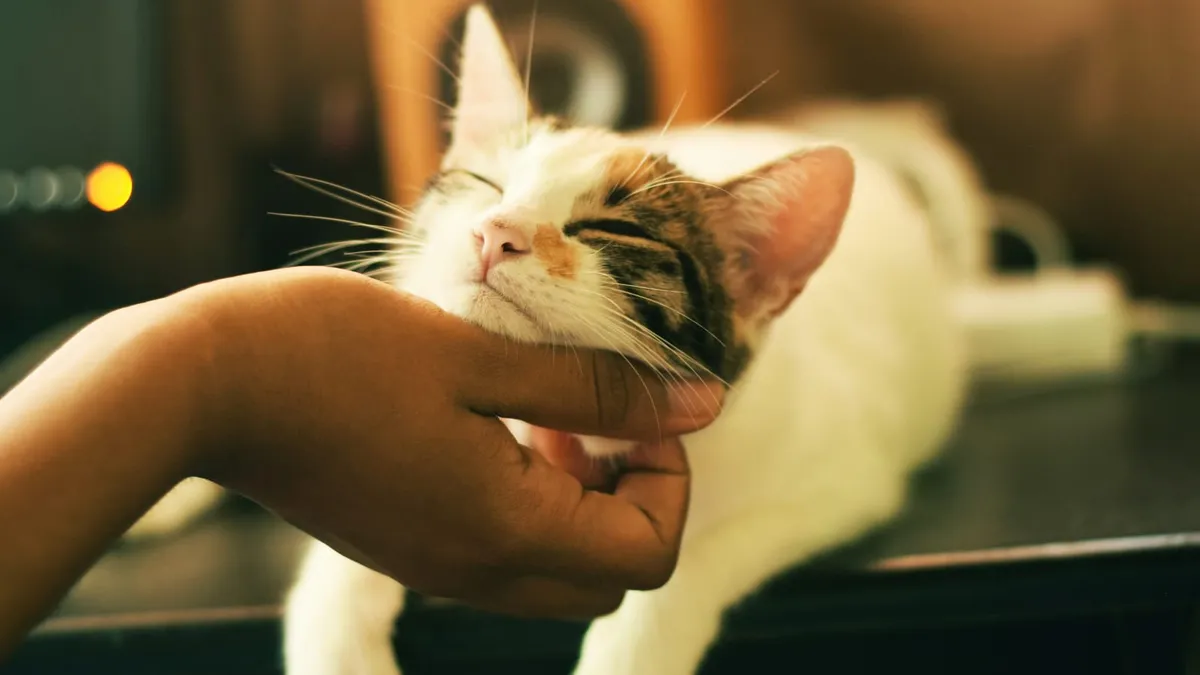
It’s a familiar scenario for many cat owners: your cat is happily accepting pets, maybe even purring or kneading contentedly, and then suddenly turns and bites or swats at your hand. This is a well-documented feline behavior called petting-induced overstimulation, and it’s not a sign of aggression or a “moody” cat. It’s actually a cat clearly communicating a limit, just later than we’d like.
Key Takeaways
- Petting-induced overstimulation is a normal feline behavior, not a sign your cat dislikes affection altogether.
- Cats usually give subtle warning signs before biting that are easy to miss if you’re not looking for them.
- Shorter, more frequent petting sessions that stop before overstimulation sets in work better than long, continuous sessions.
- Some body locations are more likely to trigger overstimulation than others.
What Overstimulation Actually Is
Cats have nerve endings throughout their skin that can become oversensitized with repeated stimulation, similar to how a pleasant sensation can gradually become irritating with continued repetition. What starts as enjoyable petting can, after enough repetition, cross a threshold into something uncomfortable, prompting your cat to react by biting, swatting, or moving away abruptly.
This isn’t your cat “changing their mind” out of nowhere. It’s a physical response to repeated stimulation crossing a threshold, and with practice, you can learn to recognize the warning signs before it gets to that point.
Early Warning Signs Before a Bite
Cats typically give several signals before biting, though they can happen quickly in succession, and similar stress cues are worth watching for whenever introducing a new cat to the household as well:
- Tail flicking or twitching, even if the rest of the body seems relaxed
- Ears flattening or rotating to the side or back
- Skin rippling along the back, especially near the base of the tail
- Sudden stillness or tension in the body after previously being relaxed
- A fixed stare at your hand
- Dilated pupils
Learning to recognize your own cat’s specific early signals is the single most effective way to avoid bites, since it lets you stop petting before your cat feels the need to escalate.
Body Areas More Likely to Trigger Overstimulation
While individual cats vary, some areas are commonly more sensitive or more likely to be overstimulating with repeated touch:
- Base of the tail and lower back
- Belly (many cats do not enjoy belly rubs the way dogs often do, despite rolling over to expose it, which is more often a trust display than an invitation)
- Legs and paws, which are sensitive and less commonly enjoyed as petting spots
Areas generally better tolerated by most cats include the cheeks, chin, and base of the ears, which are common scent-gland locations cats often enjoy having touched. Keeping your cat’s claws blunt also takes some of the sting out of an overstimulation swat; see our guide on trimming a cat’s nails.
How to Reduce Petting-Induced Biting
1. Keep Sessions Shorter
Rather than one long petting session, offer several shorter sessions throughout the day, stopping before your cat shows signs of overstimulation.
2. Watch for Early Signals and Stop Proactively
Rather than waiting for a bite to know you’ve gone too far, learn to stop petting at the first subtle sign of tension, tail flicking, or ear movement.
3. Focus on Preferred Areas
Stick to areas most cats tolerate well, like the cheeks and chin, especially with cats known to have a lower threshold for overstimulation.
4. Let Your Cat Initiate and End Contact
Cats that can approach and leave petting sessions on their own terms often tolerate touch better than cats who feel “trapped” during handling.
5. Avoid Punishing the Bite
Since overstimulation bites are a normal communication signal rather than aggression, punishing your cat can create fear or damage trust rather than addressing the actual issue, which is stopping petting before the threshold is reached.
Is This the Same as Aggression?
No. Petting-induced overstimulation is a specific, well-recognized behavior distinct from true aggression. True aggression typically involves a broader pattern of defensive or offensive body language (such as growling, hissing, or a crouched, ready-to-attack posture) often linked to fear, pain, resource guarding, or redirected arousal from another trigger. Overstimulation biting, by contrast, usually happens specifically during or right after petting and doesn’t typically involve the same intensity of aggressive body language beforehand.
When to Be Concerned
Consider consulting your veterinarian or a certified feline behaviorist if:
- Biting seems to happen with minimal or no petting at all
- Your cat shows signs of pain when touched in a specific area (which could indicate an underlying medical issue rather than typical overstimulation)
- Biting is accompanied by other aggressive behaviors outside of petting contexts
- The behavior is escalating in intensity or frequency despite adjusting your petting approach
Frequently Asked Questions
Does petting-induced biting mean my cat doesn’t like being touched? Not necessarily. Many cats enjoy petting up to a point; the biting reflects a physical overstimulation threshold rather than a general dislike of affection. Adjusting session length and watching for early warning signs usually allows for continued enjoyable interaction within your cat’s tolerance.
Why does my cat bite me specifically when I pet their belly? The belly is a vulnerable area for cats, and even cats that roll over to expose it are often doing so as a trust display rather than an invitation to touch. Many cats have a much lower tolerance for belly touching compared to areas like the cheeks or chin.
Can training reduce petting-induced biting? While you can’t fully eliminate a cat’s natural overstimulation threshold, learning to read early warning signs and adjusting your petting style (shorter sessions, preferred areas, letting your cat initiate contact) significantly reduces the frequency of bites in most cats.
Is it true some cats never overstimulate? Individual thresholds vary widely. Some cats tolerate long petting sessions with no issue, while others have a much lower threshold. Getting to know your specific cat’s patterns and preferences is the most reliable approach.
The short version
Petting-induced overstimulation is a normal feline behavior, not a sign of aggression or a reason to stop bonding with your cat through touch. Learning to recognize your cat’s individual early warning signs, keeping sessions shorter, and focusing on preferred touch areas will help you enjoy affectionate moments together while respecting your cat’s physical limits.
This article is for informational purposes only. For concerns about aggressive behavior, consult your veterinarian or a certified feline behaviorist.
Sources
Related articles
What You Actually Need Before Bringing a Kitten Home
Most kitten checklists are shopping lists. This one separates what a kitten genuinely needs on day one from what the shop would like you to buy.
Do Cats Get Lonely When You Go Back to Work?
Cats are far less indifferent to an empty house than their reputation suggests. Here's what boredom and loneliness actually look like, and what genuinely helps.
Why Do Cats Knead? Understanding This Common Behavior
That rhythmic paw-pushing behavior is called kneading. Learn why cats knead blankets and people, what it means, and when it's worth a closer look.